Jeremy Symons

What would a permitting reform deal mean for clean energy and climate?

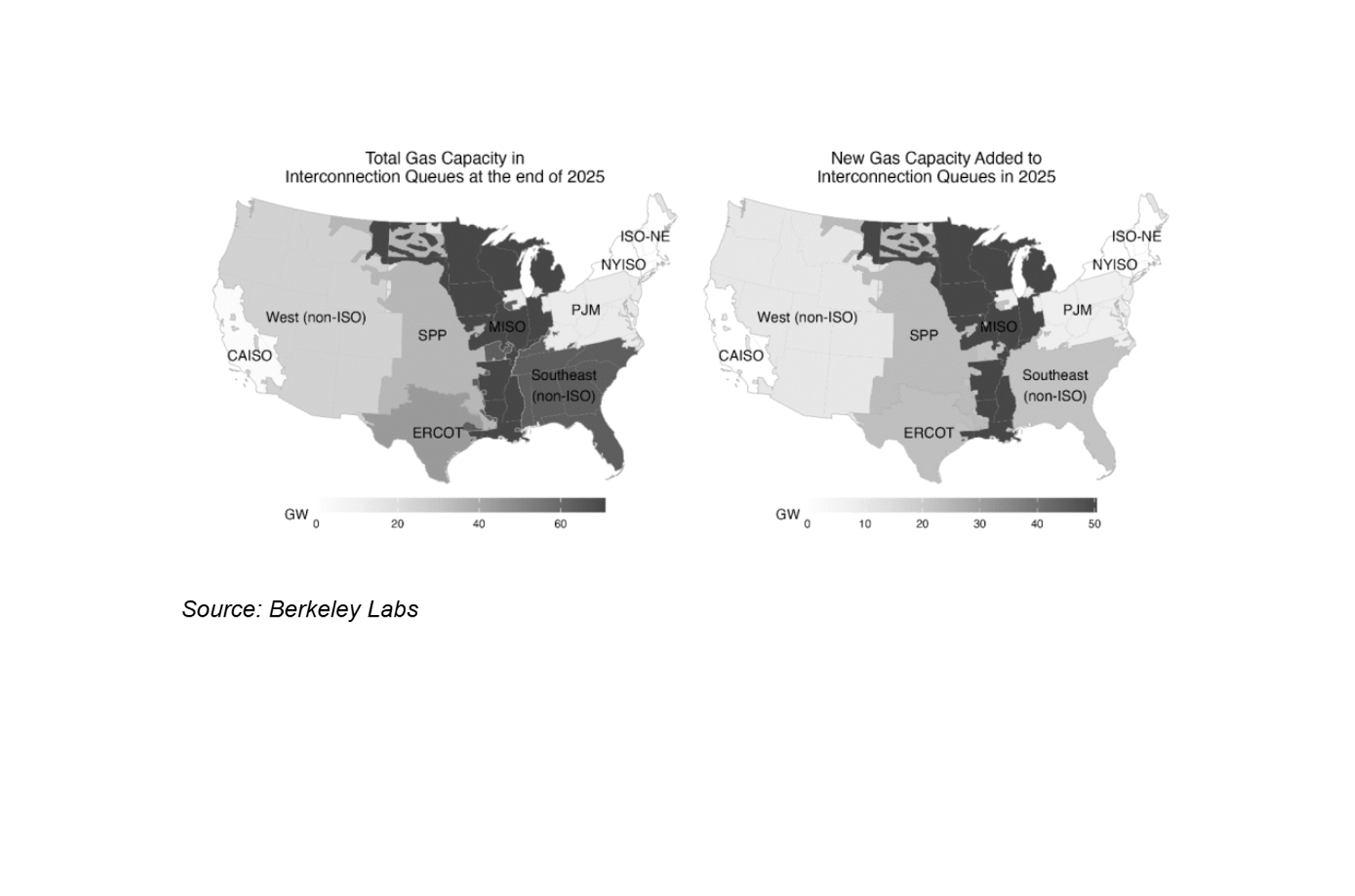
As a result of the 2024 elections and the surge in AI-driven demand for new gas-fired electric power, the script has flipped on a potential permitting reform deal, and natural gas is now poised to be the biggest winner rather than solar, wind, and batteries. Proposals currently being discussed will deliver big wins for the gas industry to lock in 20-year contracts and PUC approvals for new gas power that significantly reshape US energy forecasts, while the benefits to renewable energy projects are likely to be marginal at a national scale.

From 2024 to 2025, the amount of gas in the interconnection queue nearly doubled (even as the renewable energy queue fell significantly), and the amount of pending gas now exceeds the total amount of wind power in the queue. 

What would a permitting reform deal mean for clean energy and climate? Read More »
Virginia’s Energy Crossroads

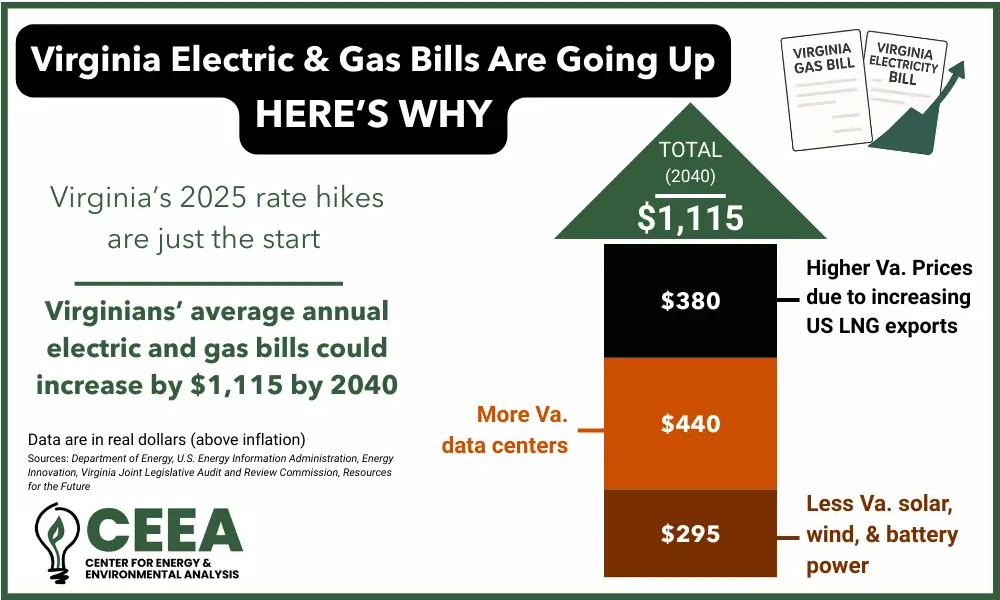
By 2040, electric and gas bills for a typical Virginia household could go up by $1,115 annually above inflation due to a collision of inflationary trends, including the rapidly rising price of natural gas for Virginia utilities as a result of surging exports of US-produced gas. Rising electricity demand from Virginia data centers, and the Trump administration’s efforts to slow clean energy development are further contributing to Virginia’s energy affordability crisis.

Virginia’s Energy Crossroads Read More »

Drill More, Pay More

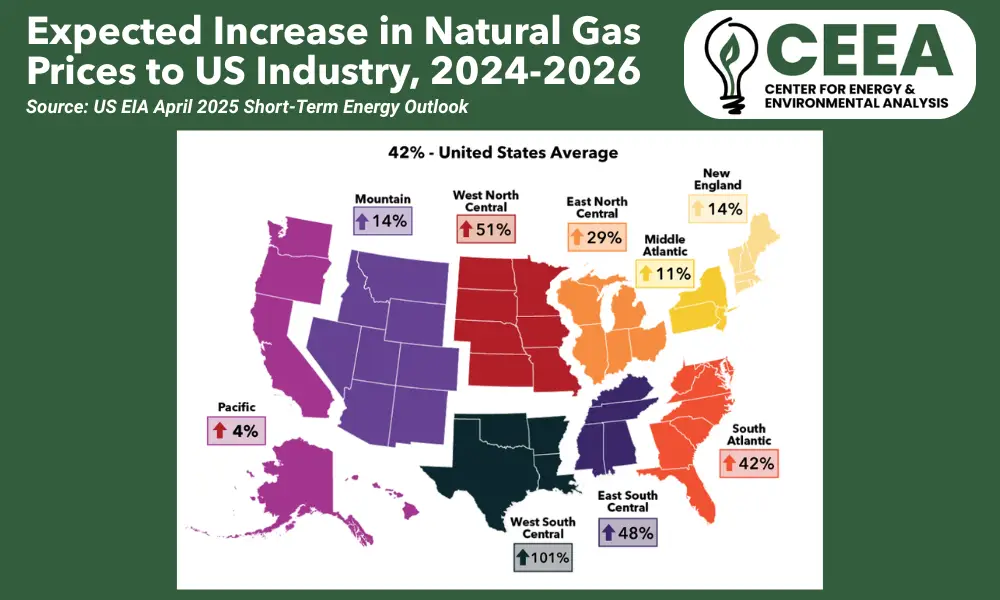
Welcome to the “drill more, pay more” era. The United States has entered a new energy paradigm characterized by rising domestic energy prices alongside rising energy production. Despite record high natural gas production levels, US wholesale natural gas prices (Henry Hub) increased 93% compared to the same period last year. Natural gas prices have more than doubled (up 119% as of April 11. 2025) since election day. US natural gas prices are expected to remain high in 2025 and increase through 2026, despite steadily rising production levels.

Drill More, Pay More Read More »

Scroll to Top